
Back-Edits & Brain Weasels: A Brief Look at My Writing Process

Recently, someone was asking me about my writing process. More specifically, they asked me what my draft to done process looks like. Well, I just finished a 5,000-word freelance piece, and I think it’s a good example of what my meandering path to a done(ish) story looks like. This story took me roughly five working days to write (not counting outlining). Now, “days” in this example are not necessarily contiguous and they more represent blocks of working time I fit around other projects than complete eight-hour sessions. So, with that in mind, let’s dive in.
Day One – 1,500 words
Working off a detailed outline, I got off to a good start and wrote the first scene and a half 0n the story (it’s a total of four scenes). I did not back edit. I rarely do, and there’s a reason for this. If I read through text I just wrote, I will absolutely fucking hate it, and it’ll bum me out the rest of the day. I don’t know why that is, but it’s just how my brain works, and in order for me to produce publishable material, I generally need to let new text sit a while before I come back to it.
Day Two – Editing and 750 words
On the second day, I went back and cleaned up the first 1,500 words. They were a tad messy, but I didn’t feel the absolute loathing I would have if I’d tried to edit immediately after writing them. I tightened, polished, and rewrote where appropriate, and then banged out another 750 words, bringing me roughly to the halfway point in the story.
Day Three – 1,000 words
For whatever reason, my confidence in my ability to write compelling fiction was flagging on day three (OCD brain weasels have joined the chat), so I avoided the back edit and simply plowed ahead with the rest of the story. It was tough going, and this was one of those days where I really, really did not want to write, but I have a deadline, and I have learned over the years that just because I think I’m writing absolute dog shit does not mean I actually am. I managed 1,000 words and finished the third scene. I did not back edit because in he state of mind I was in, I might have deleted the entire story in a fit of writerly pique. 🙂
Day Four – Editing and 2000 words
Easily the best writing day of the bunch. I started by back editing everything I’d written thus far, tightening and polishing, and then I banged out the rest of the story in one frenzied session of keyboard pounding. After that two-thousand-word burst, I was feeling pretty good, so I broke with tradition and went back over what I’d written. Might have been a mistake because I kinda hated everything. That said, I knew this was just another brain weasel talking, so I finished the back edit, took a breath, and reveled in doneness. (Well, almost).
Day Five – Final polish and turnover
This morning, I set to work polishing the entire 5,000-word story. I was in a good mood, and I felt what I’d written was not just decent, but like actually good. I managed to improve some scenes by expanding dialogue and tightening or removing exposition and the like. After the initial polish, I hit the spell check, which, for freelance in this IP, is not only about catching run-of-the-mill typos and whatnot, but also about giving me an opportunity to make sure all the made-up fantasy words are spelled correctly and consistently. For example, words like necomechanika, helljack, necrotech, Wraithbinder, and so on, are always gonna pop as misspelled, giving me a chance to make sure I’ve got them correct and even add them to the dictionary where appropriate.
The story I turned over came in at around 4,900 words that I think are pretty good. Now, once the publisher has had a chance to review the story, there will be revisions, but I think we’re starting from a good place.
So that’s my writing process in a nut shell. Even though this is a freelance piece, when I draft my own stories and novels, it looks pretty much the same. For example, I generally do not back edit the same day, and I tend to carve up projects into blocks of working time that can range from an hour to four hours and from 500 words to 3,000. I can draft faster, of course, and sometimes I do, but four writing days for a 5,000-word short story is solid, especially if I’m hitting my deadlines, which I always do.
Thoughts on my writing process? Care to share your own? Tell me about it in the comments.
800 Submissions: An Analysis

Recently, I sent out my 800th submission since I started tracking them through Duotrope way back in April of 2012. Feels weird to even say that, but, I guess 12 years of steady submissions adds up. As usual, when I hit a major milestone like this, I like to break down the numbers and bombard you poor people with a bunch of stats. So here we go!
First, the basic numbers.
- Rejections: 642
- Acceptances: 104
- Withdrawals: 26
- Lost/Never Responded: 22
- Pending: 6
I won’t lie; I did track some of my last round of novel queries through Duotrope (there’s a novella in there, too), so not all of these are short story subs. That said, queries are basically the same thing as subs, and since all those queries ended up rejections and brought my acceptance percentage way, way down, fuck it, I’m counting them. 🙂
Okay, now lets look at individual pieces.
- Total Unique Stories: 164
- Microfiction: 4
- Flash Fiction: 127
- Short Stories: 29
- Novellas: 1
- Novels: 3
Clearly, flash fiction makes up the bulk of what I write and submit. There’s a few reasons for this. One, I’ve been participating in a bi-weekly flash fiction contest/exercise for the over a decade, so I generally have a couple of new stories to submit every month. Two, as much as I like writing short stories, they just take longer to complete, and they take longer to sell, too. That said, my success rate with short stories is pretty good. I’ve sold 17 of the 29 I’ve submitted.
Though I write microfiction just about every day, I rarely submit it. The four I have submitted were all accepted, though, and I don’t know if I want to mess up my perfect record by submitting more. 🙂
Now, the novels needs a little explanation. I have only technically submitted one complete novel. The other two were first chapter contests, but I’m still gonna count them.
Now let’s talk about publishers.
- Total Unique* Publishers: 228
- Most Subs: 67 (The Molotov Cocktail)
- Most Subs Without An Acceptance: 37 (Flash Fiction Online)
- Most Acceptances: 17 (The Arcanist and The Molotov Cocktail)
The asterisk by the word unique denotes that this number includes some literary agents (39) and some markets that have multiple listings. For example, Flame Tree Press has their individual short story collections and their fiction newsletter as separate listings on Duotrope. In that past I’ve consolidated, but this time, I left them separate.
Yep, I’ve submitted to Flash Fiction Online 37 times without a single yes, but I’ve made it to their final selection round enough that I’ll keep trying. Other markets where I’ve got a big fat o’fer include Apex (24), Daily Science Fiction (24), and The Dark (19). I’ve made it out of the slush pile frequently enough at Apex that I’ll keep trying. Unfortunately, Daily Science Fiction is on indefinite hiatus, so my chances of ever cracking them are pretty remote. As for The Dark, I mean, they reject in under 24 hours, so why not try? 🙂
I think that’s enough stats for now. I’ll have more for you when I hit 900. 🙂
The Monsters the Guidelines Forgot: Vampires

Continuing my series of post about how to sell stories featuring monsters who frequent publisher do-not-send list, we’re gonna talk about the only monster that might give zombies a run for their money as most maligned. Yep, it’s time sharpen our fangs and talk about everyone favorite undead parasites: vampires. As with zombies, I’ve had a bit of success selling vampire stories, and to date, I’ve managed to convince seven editors to give my vampire tales a shot. Let’s discuss some of the way I did that.
As with my first entry into this series, I’ve come up with four ways you can add variety to your vampire stories that might give you the edge you need to sell one. Of course, these changes are not sure-fire or bulletproof by any means, but I do believe they’ve helped me snatch a few acceptances from the jaws of rejection.
1) Real Monsters (or Real Funny). In my experience, much of the antipathy toward vampires is essentially a kind of literary fatigue around a specific type of vampire, a type that dominated films, TV, and fiction in the early to mid-aughts. I’m of course talking about the beautiful, sexy vampire first popularized by Anne Rice that later took the market by storm with shows like True Blood and The Vampire Diaries and, of course, massive bestsellers like the Twilight series. There is absolutely nothing wrong with that kind of vampire or telling stories like those in the IPs I listed (I’ve done it and even sold a few), but there seems to be a lingering distaste toward that kind of vampire. So, what are you to do? Easy, return to the vampire’s roots, when it was a horrific, blood-drinking abomination fit only for destruction. The vampire as monstrous antagonist has been making a real comeback in film and other media, and editors seem to be more open to this representation of the vampire than the more benign type.
Of course, we’ve also seen the vampire jump back into the spotlight by going completely in the other direction and embracing humor rather than horror. The best example of this is the show What We Do in the Shadows, which takes tons of traditional vampire tropes and plays them for laughs instead of, you know, choking death gurgles. I personally love injecting a bit of humor into my horror, and I’ve used that to successfully sell vampire stories a number of times.
2) Creative Creation. Vampires are usually created when a vampire drains a human of blood and then reanimates them with a bit of their own. There’s nothing wrong this creation method, of course, but changing it wholesale can add an interesting new twist to the traditional vampire story. There’s so many other ways you can go here, but I think my favorite is removing the need for another vampire entirely and having vampirism gained from an outside source. Often this a dak ritual or even some kind of cursed artifact. I went with the latter in my story “Second Bite” where I combined two horrors–dentistry and vampirism. In the story, a character becomes one of the undead after being fitted with dentures crafted from the teeth of a particularly powerful vampire. A little silly, sure, but I played it straight and ended up selling the piece.
3) What Are You Doing Here? I talked about this in my zombie article, but it applies here, too, and really to any classic monster. Just putting your vampire in a new environment can add a lot of depth and interest to your story, even if you go with a 100% traditional vampire. Unlike zombies, vampires are intelligent, free-willed monsters, and letting them deal with the problems that arise in unusual situations can make for an engaging story. For example, in my story “Night Games,” I had a vampire playing baseball in the minor leagues. The questions I had to answer to make that plausible helped me structure the narrative. For example, how did the vampire avoid sunlight? He only plays night games. How does a vampire baseball player get the blood he needs without drawing attention? Minor league teams travel a lot, so he can spread his kills around. When a player finds out there’s a vampire on the other team, how does he deal with the monster? Wooden bats and inside fastballs. 🙂
4) Myth Management. One of the great things about vampires is just about every culture features some version of them in their myths and legends. The general idea is the same–a creature that rises from the dead to prey on the living–but other details can be wildly different. For example, in Chinese and certain Eastern European myths about vampires, the monsters can be distracted by throwing a handful of rice, seeds, grains, etc. in front of them. The vampire is compelled to stop and count the tiny objects, allowing its victim to get away, or, if there’s enough rice or seeds or whatever, keep them counting until the sun comes up. You can treat these details form various myths as kind of an ala carte menu of vampiric traits or simply choose one of the more obscure and horrifying examples of vampires and run with that. Take the penanggalan, a vampire-like creature from Malaysian mythology created by a dark ritual (see point 2) that allows the practitioner to detach their head and all their internal organs, which dangle beneath the disembodied noggin, float away and prey upon and drink the blood of the living. You don’t have to tinker with that concept much (or at all) to make it unique and terrifying.
As I mentioned, I’ve sold seven vampire stories to date, and most of them features some of the methods I discussed above. Here are some examples.
- Real Monsters: “Bites” published in Footsteps in the Dark by Flame Tree Press
- Creative Creation: “Second Bite” published at MetaStellar
- What Are You Doing Here? “Night Games” published at PseudoPod
For whatever reason, I’ve never used the myth management change-up in my vampire stories, though I’ve always admired authors that do that. Sounds like I need to write another vampire story. 🙂
So there you have it, four ways to give your vampire stories more, uh, bite and maybe convince an editor there’s still some (un)life left in vampire fiction.
Thoughts on writing and selling vampire stories? Tell me about it in the comments.
Rejectomancy Rabbit Hole: Acceptance Rates

Recently, I was discussing the chances of getting published at some of the big genre markets with my author pals, and a few numbers were thrown around, some by yours truly. These numbers were mostly guess-work. None of us really know the exact percentage chance we’ll make it out of the slush pile and onto the editor’s desk, to say nothing of our chances of actually getting published. Then I remembered a few markets had actually told me how close I’d gotten to publication in their rejections, relating my near miss in terms of percentages. So let’s take a look at those rejections, use a little rejectomancy, and see what we can learn.
The first rejection is from Escape Pod, a fantastic sci-fi audio market.
[1] Thank you for sending [story title] to Escape Pod. Unfortunately, this story wasn’t a good fit for us. Choosing stories is a subjective process, and we have to reject many well-written stories. Please note that we do not accept revised stories, but we wish you the best in finding this one a good home, and we look forward to your next submission.
[2] Our Associate Editors enjoyed this story, and the Assistant Editors liked it enough to hold it for a second look, but ultimately the competition was too strong this month. About 5-7% of submissions reach this stage.
[3] This was a well-written story with a great setup, but we wanted the story to be set at a point when the narrator was still making decisions.
A nice little rejection that I’ve broken down into three sections. Let’s discuss each one.
[1] It’s not uncommon in close-but-no-cigar rejection to find the same boilerplate language you’d see in a form rejection. The reason for this is, I think, pretty simple. There’s certain information a publisher needs to relate to every author in every rejection, no matter how close the story actually gets to publication, and there’s no point in reinventing the wheel. That’s what we have here.
[2] Okay, now we’re getting to the good stuff. The editors relate some of how their selection process works. In addition to the info here, Benjamin C Kinney, a former assistant editor at Escape Pod, provided even more details on the selection process on his blog, here. What we’re looking at is three tiers of readers: associate editors, assistant editors, and then, finally, the co-editors (EICs?) of the publication. I don’t know if Escape Pod also employs first readers, but I assume so, as most markets this do. My story was rejected by the assistant editors, and as the rejection states, that’s roughly 5-7% of submissions. Not bad.
[3] As is common with this level of rejection, the editors provided a bit of specific feedback on my story. This is always exceedingly helpful. Even if you don’t end up using the feedback, it lets you know what the editors might want to see in a future story. So, when I submit another piece to Escape Pod, this piece of feedback will help me determine which story to send them.
Okay, the next rejection is from Flash Fiction Online, one of the premier markets for genre flash fiction.
[1] Thank you for considering Flash Fiction Online for your story, [story title]
Unfortunately we have decided not to accept it. As much as we wish we could, we can’t publish every good story that comes our way. Truthfully, we’re forced to return a great many stories with merits that make them well worthy of publication, including yours.
[2] Your story did, however, reach the final stage of our selection process–one among an elite group. Less than 5% of stories make it this far. That is no small feat.
[3] In winnowing, stories are discussed and vetted before I make my final selections. If you are interested in receiving feedback based on those discussions you are welcome to email me at [email]. Please use the following subject line: FEEDBACK REQUEST: [Story Title].
We wish you the best of luck finding a home for your story elsewhere, feel confident of your success in doing so, and hope to receive submissions from you in the future. May the muse be ever by your side.
Like the rejection from Escape Pod, I’ve broken this rejection down into three parts. Let’s discuss them.
[1] Again, we see the boiler plate language here that relates important information regardless of the tier of rejection. I really love that they talk about turning away good stories. Every market does. They have to. There just isn’t enough space to publish all the stories they like. What’s great, though, is that when you do make it this far with a market like FFO, it’s pretty much a guarantee you’ve got a sellable piece on your hands. I’ve gone on to sell all the pieces FFO rejected at this stage, and I was able to submit those stories with greater confidence after FFO turned them down.
[2] The nitty-gritty details. FFO, like many of the big genre markets, as a multi-tiered selection process. I’m somewhat familiar with it as I’ve made it to this final stage a number of times. I know it begins with a team of first readers that choose stories from the slush pile for further evaluation. Then there are a number of rounds where the staff votes on their favorite stories (three, I think). Finally, the editor makes a decision on which stories get published. As noted above, about 5% of submitted stories make it to the final round. Again, that’s pretty good.
[3] Flash Fiction Online offers a very useful service to authors who make it to this final stage of the winnowing process. You can email the editor, and they’ll provide you with curated feedback from the staff when they were voting on stories. I’ve taken that offer once and received an excellent mix of praise and constructive feedback. I can say without reservation that that feedback and the revisions I made because of it helped me sell the story on the next submission.
With the above information in mind, what are the chances of getting published by these two markets? Even knowing the exact percentage of stories that make it to these final evaluation stages, all I can do is speculate. Duotrope and The Submission Grinder give us one more clue, though – the acceptance rate for each market. That’s roughly 3.5% for Flash Fiction Online and 3.0% for Escape Pod. Now, rejections are always underreported at both Duotrope and The Submission Grinder, which can inflate acceptance rates. My best guess is that both markets are closer to a one or two percent acceptance rate.
Of course, the burning question is how many submissions do these markets receive during their submission windows? I don’t know for sure, but we can look at another pro genre market, Diabolical Plots, that provides exact submission numbers for their submission window and draw some ballpark conclusions. In their last submission window, Diabolical Plots reported 1,451 submissions received. I’d guess Escape Pod and Flash Fiction Online receive a similar amount of submissions (maybe more, maybe less). If I put on my rejectomancy hat, I can surmise that roughly 75 stories reach the stage my story did with each publisher. I can then even more crudely guess that of those 75, maybe 20 to 25 stories actually go on to publication. I have no way to determine the accuracy of that statement, but it feels about right.
So, yeah, we’re looking at some long odds, but I think we all knew that, right? That shouldn’t dissuade you from submitting to these markets, though, and you should avoid thinking about acceptance percentages like gambling odds. It’s not really random. The right story has a 100% chance of getting published, and the more you write and submit to these markets, climbing up the rejection ranks and getting useful feedback, the closer you get to publication.
Well, I hope you enjoyed my little trip down the rejectomancy rabbit hole and that a look at my rejections provided you with some useful information. Thoughts on rejection percentages at these markets or others? I’d love to hear it in the comments.
The Monsters the Guidelines Forgot: Zombies

In this series of posts, I’m going to talk about writing and selling stories featuring classic monsters. You know, the ones you often find in publisher guidelines after the words “absolutely no”. It’s usually the big three—vampires, werewolves, and zombies—that make the do not send list, but other well-worn beasties show up as well. I’m not here to tell you not to write about these classic critters. On the contrary, I’ve had success selling stories featuring the big three, and I thought I’d share my thoughts on how I was able to do that.
Before we get started, a word of advice. If you do see a no vampires, zombies, werewolves, or [insert overused monster here] in a publisher’s submissions guidelines, don’t send them a story featuring the forbidden critter. It’s bad form and a guaranteed rejection. What I want to share in these posts are tips to win over the skeptical editor rather than try and change the mind of the decided one.
Finally, all this is only my (somewhat informed) opinion and what’s worked for me. My approach might not work for you, and that’s okay. There are certainly other ways to write new twists on classic monster stories than how I’ve done it.
Let’s kick off this series with everyone’s favorite animated corpses. Zombies might be the most maligned of the big three, which has much to do with the glut of zombie-related shows and movies. But how do you sell a zombie story? I’m here to tell you it is possible, and what follows are four ways tips that might make it possible to do so.
1) Original Origins. One of the easiest ways to keep a zombie story fresh is to come up with a novel origin for them. You can keep it in the natural world and change the biological mechanism that creates zombies, get more metaphysical with it and have the dead rise because of a supernatural event, or, hell, go sci-fi and make zombies the result of advanced technology. What’s great is that changing the origin of your zombies suggests other changes that’ll make the dead more unique. A great example of idea in action is the game/show The Last of Us. The cordyceps fungal infection introduced in The Last of Us not only offers a new origin for zombies, but it also changes just about everything about them: their appearance, how they hunt, and how the survivors must fight them. That’s the kind of thing that sells zombie stories.
2) Apocalyptic Adaptation. Generally, I don’t like to set my zombie stories during the apocalypse. In fact, I much prefer a partial apocalypse that’s been contained so I can explore how society might change in the wake of such an event. One of my favorite angles to take in that scenario is to think about how certain industries and professions would take advantage of a zombie outbreak. For example, how would the funeral industry adapt now that the dead walk? What services might they offer to help grieving families deal not just with a loved one that’s passed on, but a loved one that’s passed on and will become a flesh-eating monster? How about police work? If a murder victim can literally get up and shamble away, it could be hard to make a case. The self-defense industry? You could see a whole host of anti-zombie products hitting the market, from bite-proof clothing to, I don’t know, anti-zombie spray. The options are practically limitless and offer opportunities to introduce new protagonists, narrative styles, and conflicts into your zombie tale.
3) What Are Your Doing Here? You could call this a trope unto itself, but putting classic monsters in unexpected situations and environments is an easy way put a fresh spin on an old tale. This approach, of course, works for zombies, too. You could go historical with it. How would the Romans deal with a zombie plague? Vikings? Prehistoric humans? How would the mythology around zombies change in these historical settings? Location is another dial you can turn to add something unique to your zombie tale. Enclosed spaces like hospitals, prisons, and ships at sea that cut off any chance of escape create interesting avenues for story telling. New environments, too, can make for an interesting change, especially in how they might affect the zombies themselves. What happens to zombies in the arctic? Do they freeze solid? What about the jungle? Do they rot faster? As soon as you start asking the questions, the stories almost write themselves.
4) A New Challenger. Often in zombie media, the folks facing down the walking dead are drawn from what I like to think of as the usual suspects: active and former military, law enforcement, doctors, scientists, and, in general, people who already possess skills useful in battling and surviving the undead. But that’s just a tiny fraction of the people who would end up facing down a horde of walking corpses in a zombie apocalypse. People from every walk of life, and every size, shape, age, and disposition would also be affected. Those folks have stories, too, and you can alter the tone and direction of a story for the good just by choosing a protagonist that’s not usually featured in zombie narratives. As the POV changes, so do the challenges a character faces when dealing with the walking dead. That’s a recipe for a unique and compelling tale.
Of course, all the above suggestions don’t mean much without some evidence they can actually sell a story, right? So here are some of the zombie stories I’ve sold that use one or more of the narrative devices I listed. The first three are free to read online.
- Original Origins: “Where the Bodies Are Buried”
- Apocalyptic Adaptation: “Grave Concerns”
- What Are You Doing Here? “Far Shores and Ancient Graves.”
- A New Challenger: “Caroline”
To sum up, though zombie stories are a well trodden (shambled?) road, there are always paths you might take to craft something fresh . . . or at least a little less decayed. 🙂
Thoughts on writing and selling zombie stories? Tell me about it in the comments.
Query Quest: Postmortem

Last month, I marked the last outstanding query for my novel SECOND DAWN as closed, no response (CNR), ending my first trek through the deep, dark jungle of query land. It was a rough trip, but I learned a lot, and I will absolutely put those lessons into practice when I start querying my second novel in the next month or so. In this post, I’ll give you a quick recap of my querying stats and then talk about some of the things I learned.
As always, this entire post comes with the disclaimer that all of my conclusions are based on my individual experience with specific agents. I could be (and probably am) dead wrong with some of my conclusions. So take that into account before, you know, taking anything I say here to heart.
First, the numbers.
- Queries: 53
- Rejections: 35
- CNR: 18
- FMR: 3
I feel like that’s a solid first outing. I could continue querying, but to be honest, I was running out of agents that repped the kind of horror I write, and my last ten queries or so really felt like shots in the dark. I don’t think that’s a great way to go about getting an agent. Now, of course, there are agents who might be a good fit who just weren’t open when I was querying, but there’s a good chance I’ll hit them with my next novel.
In addition, there are things I need to improve and revise in SECOND DAWN if I want to have a real shot at selling it, so pulling it back and focusing on the next novel, HELL TO PLAY, seems like a reasonable thing to do. I plan to revise SECOND DAWN while I’m querying the new novel, and there’s a every chance I’ll query SECOND DAWN again if I don’t land an agent with HELL TO PLAY.
The Query Package
So what did those fifty-some queries teach me that I can use in my next foray into query land? I think a good place to start that examination is an honest, even blunt appraisal of my query package. What did I do well and what did I do, uh, not so well? Again, this is all based solely on my perception of things and the limited feedback I received from agents, but I feel fairly confident I’m in the ballpark with my conclusions.
The Good
- Query letter. I think my query letter was strong. I had good examples to draw on from authors I know who successfully engaged an agent, and I think the structure, the brief synopsis, and my bio were all good enough to get an agent’s attention. Keeping it, however, is an entirely different matter. 🙂
- Sample pages. There’s a caveat here, which I’ll get into in a second, but I believe my first three chapters were good, moved quickly, and set the stage for the rest of the novel. My premise was unique enough to intrigue and may have been the biggest factor in the three full manuscript requests I received.
The Not-So Good
- Synopsis. In my opinion, my synopsis was just kinda okay. It got the job done, but barely. It was too long, and I’m not sure it conveyed the strengths of my novel as well as it could have. Writing a good synopsis is tough, as any writer will tell you, but it’s one of those things that can make a break a query package. In short, a “just okay” synopsis is not good enough.
- Comps. My comps for SECOND DAWN were, like my synopsis, adequate at best. I really struggled to find ones that fit the subject matter or the tone. The ones I ended up with were in the ballpark, but they weren’t as good as they could have been. Again, I need to do better than “adequate” going forward.
What Did I Learn
With the strengths and weaknesses of my query package in mind, here are two broad, but I think important, takeaways from my querying experience. The operating word here is broad, so, please keep that in mind, especially with my first point about the two different types of agents.
A Tale of Two Agents
There seemed to be two types of agents I was querying that differed primarily in the type and amount of information they wanted in the query package. I should point out that neither of these types of agents is “doing it wrong.” Every agent wants the same thing you do: to sell a novel. The way they go about choosing which novels are sellable, though, can differ from agent to agent.
The first type of agent generally wanted a query letter, a full synopsis, a separate pitch, a list of books like mine (in addition to comps), and a description of the target audience for my book. The kicker here is that usually these agents don’t ask for much in the way of sample pages, generally no more than ten and often as few as five.
The second type of agent often only wanted a query letter (sometimes a synopsis, but noy always) BUT they want much more of the book, usually three chapters and as much as 50 pages. These agents did occasionally want a pitch or more comps, but less often than the first type. Hell, one agent I queried didn’t even really want a standard query letter, just pages.
Conclusion: Whether or not I hit or miss with the two types of agents described above is going to depend a lot on both the book I’m querying and the relative strengths of my query package. If I look at SECOND DAWN, it’s somewhat clear my query package was more suited to the second type of agent (that’s where my full manuscript requests came from). Why? Well, some of the weaknesses in the package aren’t as glaring when an agent doesn’t put as much stock in a synopsis or comps (or doesn’t even ask for them). Also, I don’t think my novel really shines as brightly in five to ten pages as it does in two or three chapters.
All that said, I want to have a good shot with both types of agents in my next go around, which means a) I need to shore up the weaknesses in my query package and b) I need to take a good hard look at at my first five to ten pages and make sure they’re as compelling as I can make them.
Ghost Town
Coming from a background of short fiction, I was a little caught off guard by the lack of response that’s absolutely standard when querying a novel. A full third of my queries and two of my full manuscript requests simply received no response. Some thoughts on that.
In the case of an initial query, I quickly got used to the idea that there was a good chance an agent simply would not respond, and that no response meant they were not interested. Most agents are very up front about this and state it openly and clearly in their guidelines. I’m fine with that. Agents get A LOT of queries, and it’s simply not possible for them to respond to all of them. Forewarned is forearmed in this case.
Now, when an agent requests your full manuscript, I think there’s more of an expectation you’ll receive some kind of response, even if it’s just a form letter. This is simply not the case, and looking at the stats on QueryTracker, a fair few agents have a low response rate to manuscript requests even if their response rate for general queries is good. Look, it’s hard not to get your hopes up when you get a full manuscript request, but the reality of the situation is that there’s a good chance you won’t hear anything back.
Conclusion: The closed, no response (CNR) is just a fact of querying life, and it’s something I can accept without much rancor. That said, I think there’s nothing wrong with following up with an agent, especially one who has requested your full manuscript, after a reasonable amount of time has passed. You shouldn’t expect a response there, either, but sending a brief status query is perfectly reasonable in my opinion, and if/when there’s no response, it feels, to me, safer to go ahead and move on.
Now, you might wonder if I would query the agents who did not respond to my queries or manuscript requests with my next novel. The answer is absolutely, especially the agents who requested full manuscripts. I think it would be foolish not to. Those agents saw something they liked in my work, and even if SECOND DAWN wasn’t a good fit for them, my next novel might be. It’s the proverbial foot in the door (okay, maybe just a toe), and there’s no way I’m not gonna see if I can’t boot that thing open. 🙂
As I said in the beginning of this post, my initial foray into querying was very educational. I learned a lot about the process, what agents are probably looking for, and what are the likely strengths and weaknesses of both SECOND DAWN and my writing in general. My plan going forward is simple: rely upon my strengths and shore up my weaknesses as best as I can.
I do feel I’ll be more successful with my next novel, HELL TO PLAY. Maybe I won’t land an agent, but I think I’ll put forward both a better query package and a better novel. I like my chances with that combo.
Thoughts about my query conclusions? I’d love to hear about it in the comments.
2023: A Writing Rearview Review

Well, 2023 is in the books, and as writing years go, it wasn’t all I hoped it would be. Though not a complete failure by any means, 2023 was nowhere near as productive as years past. This is largely due to a focus on querying my novel SECOND DAWN, which ate into both writing and submission time far more than I expected. Still, there were some bright spots to 2023, primarily what I learned and can take into 2024 to make it a more productive year. Below, I’ll cover the broad strokes of the major areas of my writings/publishing endeavors in 2023. Let’s get into it.
Short Story Submissions
Here are the raw numbers for my short story submissions in 2023.
- Submissions: 38
- Acceptances: 3
- Rejections: 31
- Pending: 4
- Published: 7
Ugh, right? I haven’t done a year-by-year comparison, but I think this is my worst year in both number of submissions and number of acceptances since 2012. A lot of this has to do with a lack of new material, and most of the rejected stories are those that have been in the trenches for a long time. I still have a lot of faith in some of these stories, but holy shit are they taking a long time to sell. As far as my acceptance percentage, it’s just under 10% if you don’t count pending subs, and a measly 8% if you do. Yuck. This is an area I definitely want to improve in the coming year.
I did manage to publish seven new stories, some of which were accepted in 2022. Here are links to the ones free to read or listen to online.
- “Coffee Fiend” published by Factor Four Magazine.
- “Reporting for Duty” published by Flash Point SF.
- “Hell to Pay – Installment Plans Available!” published by Tales to Terrify.
- “When Gods Walk” published by Radon Journal.
- “Brave New Apocalypse” Factor Four Magazine.
Novel Queries
Last June, I started querying my novel SECOND DAWN. It was my first attempt at querying a novel, and I learned a lot, even if those lessons were somewhat painful. Let’s start with the numbers.
- Queries: 53
- Full Manuscript Requests: 3
- Rejections: 34
- Closed No Response: 19
Technically, one of the FMRs is still awaiting reply, and I won’t officially mark it as a CNR for another week or so. That said, based on other FMRs sent to the same agents, I’m pretty sure I won’t hear back on this one. I’m going to do a full breakdown on my first querying experience later this month, but here’s the broad strokes. I researched around 150 agents and queried 53 of them. I received three FMRs in fairly short order, and, perhaps foolishly, I got my hopes up. While I expected CNRs on basic queries, I naively expected full manuscript requests would always result in some kind of response. Sadly, this is not the case, and when I start querying my next book, I’ll treat FMRs with a little more caution.
It wasn’t all bad news with queries, though. The FMRs tell me I can put together a decent query package, and with what I learned in 2023, my query package will only get better. Additionally, I know a lot more about the agents I want to query and those I should avoid (not because they’re not good agents, but just because my style and subject matter isn’t a good match).
Freelance Work
The bulk of my actual writing in 2023 was on freelance projects, primarily for Privateer Press. I wrote/published a novels-length of words of Iron Kingdoms fiction for the latest version of the tabletop miniature game WARMACHINE. Generally, this fiction is a steampunk-esque fantasy adventure, but this last year there was an opportunity to add a horror element to the setting, and that was REALLY fun. Anyway, here’s a quick recap of the work I did here.
- Novellas: 2
- Articles: 7
- Short Stories: 6
I’ve already signed contracts for more Iron Kingdoms stories and articles in 2024, and I’m looking forward to diving back into the land of warcasters and warjacks in the coming year.
Trials & Tribulations
Although I certainly wasn’t idle this last year, and I took some clear steps forward in pursuit of an agent and publishing deal, the pervasive feeling was one of spinning my wheels. I think this is largely due to the fact that I spent so much time in the querying process–both in the writing and refining of my query package and the actual queries themselves–and I feel like I didn’t get anywhere. Now, that’s not actually true, of course. I did receive three full manuscript requests from prominent agents, and I certainly learned a lot about the querying process. Still, I won’t sugar-coat it; querying is a real motherfucker that can quickly erode your confidence if you let it.
I also struggled a bit with what some folks might call writer’s block. I’m not a big fan of the term because I think it doesn’t accurately represent what, for me, was largely a dearth of creativity. It’s not that I couldn’t write or even that I couldn’t write publishable material, it’s was just very difficult getting started and even more difficult to get into the so-called groove. I think much of this stems from simple burnout. I’ve spent that last decade fighting the good fight, pushing my work out there, weathering rejections, and for the most part I’ve rolled with punches. I would be lying if I said I wasn’t a little more affected by my setbacks in 2023 than in other years. So what does that mean? Well, it means I need to get back into some good habits that tend to recharge the ol’ creative batteries, and first among those is reading. I don’t think I finished more than a dozen books in 2023 and that, for a writer, is unconscionable. So, in 2024 I want to get back on the reading train and not just in my genre. I’ve already got three new novels on my kindle–one horror, one crime/mystery, and one sci-fi–and I’m looking forward in losing myself in someone else’s creation for a bit.
Goals
I’m not gonna go crazy setting grandiose goals for myself in the coming year, but there are a few things I want to get done in 2024.
1) Finish revising and query my horror/thriller novel Hell to Play. This book just needs some fairly light revision and it’ll be ready to query. I think in a lot of ways it’s a more marketable book than the one I queried in 2023, Second Dawn. Comps are more obvious and the tone and subject matter is more indicative of my usual writing style. There are no guarantees, of course, but I think I stand a better chance of landing an agent with this one.
2) Write and submit more short stories. A perennial goal, but this time I’m not gonna shoot for a specific number. I simply want to write and submit more, and that’s enough.
3) Read, read, read. A lot of folks set out to read 100 books a year, but, like with short story subs, I’m not going to shoot for a specific number. I’m just going to commit more time to reading and focus on discovering new authors and maybe even new genres.
And that was my 2023. Some ups and some downs, but I think the best way for me to look at 2023 is as a growth year. Growth can be painful, but ultimately it’s a good thing, and that’s where I’ll sign off. 🙂
Leaving the Nest: Where To Send My New Story
I recently finished a new story, and it’s time to send my poor little word baby out into the dark, feral wastes of submission land. In this post, I thought it might be fun to talk about how I go about deciding which markets to target first with a new story. This process is rife with rejectomancy, so it’s perfect for the blog. Let’s discuss. 🙂
The Story
My new piece, which we’ll refer to as “Baby Bird” for this post is a sci-fi cyberpunk-ish crime thriller and clocks in at just under 6,000 words. I generally don’t write stories over 5,000 words and rarely over 4,000, and the reason for this is simple. Once you get over 5k, the number of markets willing to accept the story shrinks considerably. But a story needs to be as long as it needs to be. That said, this one did creep all the way up to 7,000 words, but with the help of my very excellent critique partners, I whittled it down to a more manageable (and hopefully publishable) size.
The Markets
As I usually do when submitting a short story, I start with pro markets and work my way down. So, turning to Duotrope, when I enter the genre, length, and pay rate I want for “Baby Bird”, I come up with thirteen possible markets. However, I’ll be focusing my initial efforts on just five. I’m ruling out the others due to a number of factors, but primarily I’m just going with markets where I have a track record. So, the five markets I’ll submit to first are:
- Clarkesworld
- Analog Science Fiction & Fact
- Escape Pod
- Asimov’s Science Fiction
- Strange Horizons
These are in no particular order (that’ll come later), and I’ve subbed to all of them with various degrees of success (though I haven’t had a story accepted by any of them yet). There are, of course, other pro markets that might accept “Baby Bird” that are not currently open to submissions, and I’ll adjust my list according if and when they open up. I should note that I think all five of these markets are fantastic, and I would be overjoyed to have a story appear in the pages of any of them.
Track Record
Okay, now it’s time to take a look at my track record with each of these markets, so I can figure out where “Baby Bird” goes first, second, third, and so on. The biggest factor for me in determining the order will be my submission history with each market, but response time (from Duotrope) will play a part as well. So, how have I fared with each publisher?
Clarkesworld
- Submissions: 14
- Acceptances: 0
- Shortlists: 0
- Personal Rejections: 0
I’m sure I’m not the only one who has failed to make a dent in the slush pile of Clarkesworld. It’s a very tough market that gets a ton of submissions for very few spots. The subject matter and themes of “Baby Bird” look like they could be a good fit, but my track record here says I might want to start elsewhere. With fourteen form rejections, I just don’t have much to go on.
Analog Science Fiction & Fact
- Submissions: 1
- Acceptances: 0
- Shortlists: 0
- Personal Rejections: 1
Yep, just one submission to Analog. The reason for that is, well, I don’t write a ton of straight sci-fi. Sometimes my stories have science fiction elements, but they’re usually mixed in with horror. Their guidelines are very clear on the type of science fiction Analog is looking for, as stated: We publish science fiction stories in which some aspect of future science or technology is so integral to the plot that, if that aspect were removed, the story would collapse. Unfortunately, my stories rarely meet that standard, but “Baby Bird” does, as did the only other story I’ve sent them. That story, “Time Has No Memory”, was rejected, but the editor added the following note after the form letter.
“I like your style of writing and suggest that you try us again.”
That’s encouraging, and since “Baby Bird” is written in the same style as “Time Has No Memory”, it puts Analog right at the top of the list.
Escape Pod
- Submissions: 5
- Acceptances: 0
- Shortlists: 1
- Personal Rejections: 4
I’ve done okay here, and one of my stories made what I’d consider a short list. I think Escape Pod adds a personal note to most rejections (at least they’ve done so for me), and that’s helped me decide which stories to send them. Now, the story they shortlisted is “Time Has No Memory”, the same story the editor of Analog commented on. Generally, that would put Escape Pod at the very top of the list, especially since “Baby Bird” is similar in tone to “Time Has No Memory”, but it’s important to read the guidelines. Though Escape Pod does take stories up to 6,000 words, their guidelines state that the sweet spot for a submissions is between 2,000 and 4,000 words. So “Baby Bird” is right at their maximum and well outside the sweet spot, and I have to take that into consideration.
Asimov’s Science Fiction
- Submissions: 6
- Acceptances: 0
- Shortlists: 0
- Personal Rejections: 0
As you can see, I’ve had no luck with Asimov’s, and I’ve received nothing but form rejections. That said, I have a feeling that “Baby Bird” might be a solid fit. That’s based on nothing but reading a few stories from the magazine and some gut intuition. I could be dead wrong, of course, and I have nothing to go on but six boilerplate form rejections, but, hey, sometimes you gotta go with your gut.
Strange Horizons
- Submissions: 5
- Acceptances: 0
- Shortlists: 0
- Personal Rejections: 0
Another market I’ve had very little luck with. Some of that has to do with when they’re open for submissions and what I have ready to submit when they are. Strange Horizons is a broadly speculative market, so I generally like my chances there since many of my stories are difficult to put into a single genre. Research and experience have led me to wonder if the tone of my work is a good fit for Strange Horizons, but since I’ve received only form rejections, it’s hard to say. This is another case where I’ll have to go with my well honed (hah!) writerly instincts.
Final Order
With all the information and variables I discussed above, the order in which I’ll submit “Baby Bird” to the five markets I’ve chosen is:
- Analog Science Fiction & Fact
- Escape Pod
- Strange Horizons
- Asimov’s Science Fiction
- Clarkesworld
Now, there might be some wisdom in submitting to the markets that respond the quickest first, and since I’d be thrilled to be published in any of these journals, it’s tempting to order them that way. But I think I want to send “Baby Bird” to the markets where it’s most likely to get published, and from experience, feedback, and that good old gut feeling, I think the order above is probably right. Again, these are all fantastic markets, and I would be thrilled to place a story with any of them.
And there you have it, my super scientific process for choosing markets to submit to. The list above is not set in stone, of course. Some of these markets could close to subs before I get to them, and/or another better-fitting market could open up. It’s a good place to start, though, and here’s hoping “Baby Bird” soon takes flight. 🙂
Query/Submission Statement: November 2023
I was fairly active in November, but, overall, it was a disappointing month for both short story submissions and agent queries. It was a month of cleansing, and I cleared out a lot of stale agent queries with the goal of heading into 2024 with a clean slate. Anyway, let’s have a look at the numbers.
November 2023 Short Story Submissions
- Submissions Sent: 5
- Rejections: 3
- No Response: 0
- Acceptances: 0
- Further Consideration/Shortlist: 0
- Withdrawals: 0
Another five submissions in November, though they didn’t amount to much. My short story numbers for 2023 are, to put it bluntly, abysmal. Much of this has to do with the fact that I haven’t written much new material, which means I haven’t sent many submissions. Getting an acceptance is a numbers game, and I generally hover around a 15% acceptance rate, but this year I’m at about 10%. That wouldn’t be so bad if I’d sent more submissions. I’ve sent a grand total of 37 in 2023, the fewest in a decade. In other words, 10% of say, 75 or 80, which is where I’m usually at, would sit a lot better than 10% of less than 40. I still have some subs pending, so it’s possible another acceptance or two will come in. I also plan to fire off a few more subs in December, and I’ll probably end the year with somewhere between 40 and 50.
November 2023 Agent Queries
- Queries Sent: 3
- Rejections: 4
- CNR: 9
- Full/Partial Request: 0
- Withdrawn: 0
- Nudges: 2
I sent three more queries for my novel SECOND DAWN in November, and they are the last three I’ll send on the project in it’s current state. I received four rejections, one of which was a rejection on a full manuscript request. That last one hurt, especially since it didn’t come with any feedback, but them’s the brakes. I CNR’d nine stale queries in November, and I’ve CNR’s another two this month. That leaves me with six outstanding queries and two outstanding full manuscript requests.
I sent nudges to the two agents who are still reviewing my full manuscript. I’ll nudge them again this month, and if I get no response, I’ll CNR both. It’s certainly disappointing to think about getting no response on an FMR, but, unfortunately, it’s not uncommon.
By the end of the December, I expect all outstanding queries and FMRs to be resolved one way or another. That one way will likely be rejections and CNRs. If/when that happens, I’ll pull SECOND DAWN and start querying my other novel HELL TO PLAY in 2024. I think I might fare better with HELL TO PLAY. It, too, is a supernatural thriller, but comps are easier to find, and it’s not part of a so-called dead genre (vampires). I’ve learned a lot querying SECOND DAWN, and I’ll put the knowledge to good use in the new year.
And that was November. My goals for December are fairly sedate. I want to finish a short story or two, send out a few short story submissions, and then finish the revision of HELL TO PLAY so I can start querying it in 2024.
How was your month of querying/submitting/writing?
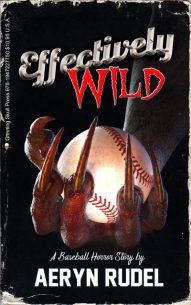
Effectively Wild – A Baseball Horror Story
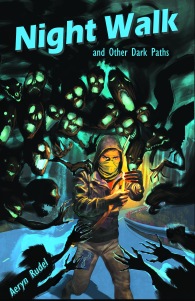
Night Walk & Other Dark Paths
Acts of War: Flashpoint

Acts of War: Aftershock

Acts of War: Stormbreak


