
A Week of Writing: 3/29/21 to 4/4/21

First week of April and I’ve got good writing news to report.
Words to Write By
This week’s quote is one I’ve used before, but I like it, so I’m gonna use it again. 🙂
“I would advise anyone who aspires to a writing career that before developing his talent he would be wise to develop a thick hide.”
—Harper Lee, WD
After enduring a three-month rejection streak, my hide is a bit thin but largely intact. The point here is that writing will test you. It’ll test your resolve, it’ll test your patience, and it’ll test your confidence. At every level there are challenges, from folks sending out their first submissions to multi-award-winning bestselling novelists and everything in between. Every writer has scars from the dozens if not hundreds of rejections, the bad reviews, and the countless revisions. Thing is, and I’ve said this before, scars make calluses. They harden you, they thicken that hide Harper Lee is talking about, so that you CAN get through the difficult stuff and emerge a little tougher on the other side.
The Novels
Nothing new to report here. Still waiting for the publisher to get back to me on Late Risers, and I’d guess I’m looking at at least another four months there. I’m full-steam ahead on commission work, so the revision of Hell to Play is postponed until that’s done. I do have one other novel that’s about a third of the way done, and I started picking it at last weekend. I need to stop that. The work in progress always looks better than the work that’s, uh, MORE in progress.
Short Story Submissions
Pretty decent week of submissions. No complaints.
- Submissions Sent: 3
- Rejections: 3
- Acceptances: 1
- Publications: 0
- Shortlist: 0
- Pending: 11
- 2021 Total Subs: 29
Three submission is a solid number, but the big news is that I got an acceptance. That ends my rejection streak at 23, which is four short of my record, and I’m just fine with that. I’m sitting in 29 submissions for the year, and that’s a good pace. Essentially, I want to average about two submissions a week. I’m well over that so far. Obviously, I’d like more acceptances, and hopefully April will make up for a pretty abysmal first quarter in that department. I finished writing a new story last week, so that should help me get my submission numbers up (hopefully, my acceptance numbers too).
Night Walk
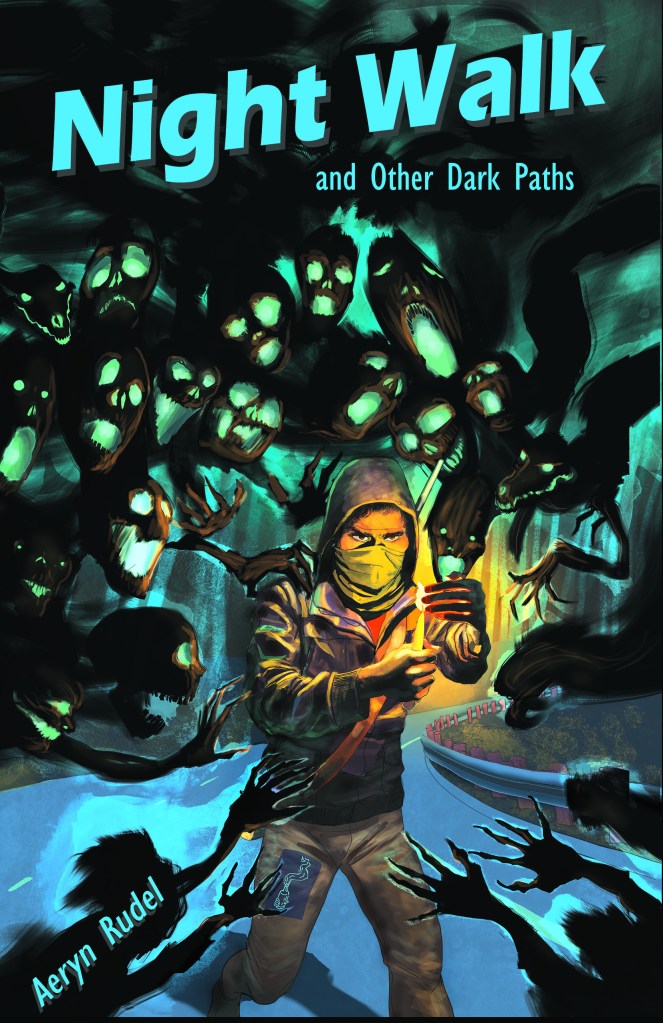
My flash fiction collection Night Walk & Other Dark Paths is available for preorder in print and digital through Amazon. If you’re so inclined, just click the cover below.

I’ve started a new feature on the blog called Night Walk Wednesday, where I give you all the rejectomancy stats on individual stories from Night Walk. There are two posts in that series so far. You can check them out below.
Goals
I want to send out more submissions and make headway on my commission work.
That was my week. How was yours?
Submissions Statement: March 2021

And March is in the books. Here are the results.
March 2021 Report Card
- Submissions Sent: 12
- Rejections: 8
- Acceptances: 0
- Publications: 0
- Further Consideration: 0
March was a good month in terms of the volume of submissions, but it marks the third month of 2021 without an acceptance. The good news is I received an acceptance this morning, so my April numbers won’t look so grim. I’m well on my way to 100 submissions for the year, and I ended March with 27, which worked out to an average of 9 per month. If I can keep up that pace, I’m looking at 108 submissions.
Rejections
Eight rejections this month.
- Standard Form Rejections: 4
- Upper-Tier Form Rejections: 2
- Personal Rejections: 2
The two personal rejection where the final-round, close-but-no-cigar type. Interestingly, when I’m in acceptance drought, as I have been for the last three months, I get a lot of these. They’re often from publishers who have published me before or for stories I go on to sell soon after. For example, the story that was accepted this morning was rejected twice in my 26-rejection-long streak. What I’m saying is, for me, the difference between 23 submissions that all end in rejections and the 23 before it that includes 6 acceptances is often razor thin. I’m going to explore that a bit further in an upcoming blog post.
Publications
My sole publication in March was another Rejectomancy article over at Dark Matter Magazine. This one is about sending submission status queries, which is kind of an evergreen topic in writing/submission circles. You can check out my thoughts on why and when you should send a status query by clicking the link below.
Ask Away: The Submission Status Query
And that was my month. How was yours?
Night Walk Wednesday: Things That Grow

Welcome to the next installment of Night Walk Wednesday, where I’ll talk about the submission journey of a story from my upcoming flash fiction anthology Night Walk & Other Dark Paths. The first story we’re going to discuss is “Things That Grow.”
How it Started
“Things That Grow”, like the vast majority of my flash fiction, began life in a one-hour writing competition/exercise. I’ve been doing these exercises with various writing groups for almost ten years, and in them, I’ve produced well over a hundred stories. To date, I’ve published 49 stories that originated in these frantic one-hour scribble-fests. Most were published as flash, though a few were expanded into short stories, and one is even the basis for a novel.
What’s It About?
If I remember correctly, the photo prompt for the flash fiction exercise was a field of pumpkins or gourds with a red barn in the background. I immediately went into horror mode and decided to play with the ideas of weird growing things and, uh, people who grow weird growing things. The result is one of my better horror flash pieces, I think. It’s primarily a young man recounting things from his childhood about a man who “has a way with things that grow.” When he’s older, the true horror of what’s been going on is revealed, and he decides to do something about it.
How’d It Do?
Out of the gate, I felt I had a pretty good story on my hands. Though it was rejected a fair amount, it was shortlisted by a number of pro markets and received some glowing praise. As usual, good story does not automatically mean instant sale, and I sent this one around a lot before I sold it. One of the shortlist rejections offered some solid revision advice, and I think that ultimately helped sell the piece.
The Numbers
- First Submission: 10/5/18
- Final Submissions: 12/16/20
- Accepted On: 12/22/20
- Total Submissions: 8
- Total Rejections: 7
- Shortlists: 2
- Personal Rejections: 4
It took me two years and eight submissions to sell “Things That Grow.” That’s longer than usual for me. If I have a sellable flash piece, I often place it within four submissions or thereabouts. I continued submitting this one because it kept getting so close and the feedback was so good. My perseverance paid off, and I sold “Things That Grow” to Flame Tree Press for their newsletter. Yay. Happy ending. 🙂
The Molotov Cocktail has released this story as a promotional preview for Night Walk, and you can read it right here.
If you enjoyed the submission journey of “Things That Grow”, consider checking out its 39 siblings in Night Walk & Other Dark Paths, which you can preorder in print and eBook by clicking the cover below.
A Week of Writing: 3/22/21 to 3/28/21
The final week of March has come and gone. Let’s see how I did.
Words to Write By
This week it’s another quote from Elmore Leonard.
“I don’t judge in my books. I don’t have to have the antagonist get shot or the protagonist win. It’s just how it comes out. I’m just telling a story.”
– Elmore Leonard
Defying expectations in your books or short stories is a good thing, and I think that’s essentially what Elmore Leonard is saying. The hero doesn’t always win and the villain doesn’t always lose. In fact, it might be a more compelling story if things are a little ambiguous. I think what it important–and Elmore Leonard did this in every novel if his I’ve read–is that the characters driving the narrative, be they protagonist or antagonist, have an arc. They need to learn something, to change in some way through the events of the story. It can be small, but I think it has to be something the reader notices. I like to think of a novel is like a rock polisher. You toss your characters in, turn the thing the on, and let them get smashed around by the conflict. What comes out are characters that are more real, more believable, because they’ve suffered, learned, lost, loved, and so on.
The Novels
As I mentioned last week, I submitted my novel Late Risers out to a publisher, and now I’m waiting to hear back. I won’t start revisions on my other novel, Hell to Play, for a while yet, and during the down time I’m taking on some commission work and finishing up some short stories.
Short Story Submissions
Yeah, pretty much crickets last week.
- Submissions Sent: 0
- Rejections: 0
- Acceptances: 0
- Publications: 0
- Shortlist: 0
- Pending: 12
- 2021 Total Subs: 26
Had a lot going on that kept me from sending out submissions. It was still a very productive week writing-wise, just not in a get-the-subs-out-the-door kinda way. I did finish a new flash fiction piece I quite like, and I’ll be sending that out soon. The 26 submissions I have for March still has me on pace of 100 for the year, so I’m in good shape there. Obviously, it’s be nice to close out the month with an acceptance to end my rejections streak, but that might have to wait until April.
Night Walk
My flash fiction collection Night Walk & Other Dark Paths is available for preorder in print and digital through Amazon. I’d of course appreciate the support, and if you’re so inclined, just click the cover below. I’ve also started a new feature on the blog called Night Walk Wednesday, where I give you all the rejectomancy stats on individual stories from the collection. You can check out the first post in that series right here.
Goals
This week, I want to get at least a couple of submissions out the door, but my primary focus fiction I’ve been commissioned to write.
And that was my week. How was yours?
Submission Protocol: New Story Strategy

I recently finished a new short story, and what I like to do before a send a shiny new word baby out on its first submission is strategize a bit to make sure I’m maximizing my submission efforts. I do this by looking at four market elements to create a submission road map for each new piece. Those elements are:
Fit: Simply, is my new story a good fit for a market? Is it the right genre, and if it is, is it the right sub-genre. What I mean by that is I write horror, but I rarely write anything that could be considered weird or cosmic horror. There are markets that specialize in those subgenres, and I generally avoid them. Other factors that might affect fit are story length. For example, if I wrote a 6,000-word story, and a potential market takes stories up to 7,500 but prefers stories under 5,000, I’ll move them down the list. My track record with a market is a big indicator of fit. If they’ve actually published me, they tend to go right to the top. I mean, nothing says you’re a fit like an acceptance, right? Still, a market that has shortlisted me or provided an encouraging personal rejection gets more weight in the fit department as well.
Tier: With short stories, I generally start off with pro markets (though there are some semi-pro markets that go to the top of the list when they’re open). By pro I simply mean those that pay the SFWA or HWA recommended per-word rate. This is not to say that some markets that pay less are not good or prestigious. Some definitely are. The downside here is that even with a good story, pro markets are tough to crack, and I generally pile up the rejections before I break through.
Wait Times: I often start with markets that are quicker to respond unless my story is a perfect fit for a slower market (like a themed anthology). Since many genre markets do not allow simultaneous submissions, wait times do influence where I send a story first. Many pro genre markets respond in under two weeks, sometimes much faster. They may take longer if they hold your story for consideration, but they’ll send you a hold notice, and I’m fine waiting in that scenario.
Submission Window: Some of my favorite genre markets have short or infrequent submission windows. If one of these markets happens to be open, I’ll generally put them at the top of the list, even if another market that’s open year-round is a slightly better fit.
So how does this all look in action? Well, I just finished a 5,500-word horror story, and I’m contemplating where to send it. The first thing I do is look for pro markets that accept horror short stories over 5,000 words and are currently open to submissions. When I do that, I come up with five markets I want to target.
| Fit | Avg. Wait | Tier | Notes | |
| Market A | ++++ | ++++ | Pro | Submission window, prefers under 5,000 |
| Market B | ++++ | +++++ | Pro | Often open to subs |
| Market C | +++++ | +++ | Pro | Recently shortlisted |
| Market D | +++ | ++++ | Pro | Slightly off-genre, good feedback |
| Market E | +++ | ++ | Pro | New market |
Some quick explanation of the table. Fit is scored on a scale of one to five pluses (I generally won’t submit to a market under three pluses). Average Wait is the time it takes for a publisher to send a rejection. I rate that on a plus scale too (the more pluses the faster the response). Tier is the payment tier of the market. I should note there are semi-pro markets I’d rank higher than the markets above, but none of them are open at the moment. Finally, Notes are anything that might sway me one way or the other as far as prioritization goes. Here’s my reasoning behind the scores for each market.
- Market A gets four pluses for fit because they prefer stories under 5,000 words (but accept up to 7,500). My story is a tad over 5k. However, their submission window was about to close (I actually did submit here), and that bumps them to the top. Without the submission window, they’d be more like 3.5 pluses.
- Market B gets four pluses because they also publish horror in the neighborhood of what I write and have no stated preferences for word count (other than a maximum). They are very quick to respond and are generally open to subs year-round.
- Market C gets five pluses mostly because of the recent shortlist. It was for a story similar in tone to the one I just finished. They are one of the slower markets to respond here, but still very reasonable.
- Market D gets three pluses mostly because they don’t publish a lot of horror (from what I’ve seen) but they will accept it. They’re quick to respond, and, more importantly, I’ve received good feedback from the editor.
- Market E gets three pluses because they are a new publisher and I just don’t know that much about them or what they publish yet. I actually have a submission out with them currently, and the results of that submission will invariably tell me a lot about how to prioritize this publisher in the future.
With all that in mind, I’d prioritize these markets just as they’re listed, starting with A and working my way down through E. Market A goes first because of the submission window. I basically had one shot for a good long while, and I think my story might be something they’d like (despite it being slightly outside of their preferred length). Market B comes next because they’re ultra fast to respond, don’t mind the length, and my story might be a good fit thematically. Despite being a 5-plus market for fit, Market C goes third only because they take a bit longer to respond than the first two. That said, a good argument could be made for me submitting to them after Market A (and I might). Market D is next to last because it’s probably the worst fit genre-wise (though they do accept horror), but I received excellent feedback on a horror story from them a while back, so they’re worth a try. Finally, Market E comes last because I have the least amount of information on them.
I’d be thrilled with an acceptance from ANY of these publishers, but I prioritized them in a way I think gives me the best chance for success. Obviously, I hope Market A accepts my story, and I don’t have to submit to the others, but, if experience is any indicator, I’ll probably end up submitting to all of them. Now I should note that the table above is based on potential markets currently accepting submissions. That could change if say a pro or semi-pro horror market that’s published me before opened tomorrow. They’d probably go to the top of the list.
How do you prioritize submissions? I’d love to hear about in the comments.
Night Walk Wednesday: The Big Picture
Hey, folks, this will be the first post in a series where I discuss the stories in my upcoming flash fiction anthology Night Walk & Other Dark Paths, which will be published by The Molotov Cocktail on 4/22/21. What I aim to do with these posts is tell you about a story in the collection–why I wrote it, how I wrote, and so on–then, because this blog is called Rejectomancy, I’ll give you all the submission stats on the piece. How many times I submitted it, how many times it was rejected, and my rejectomantic opinions on those details. Yeah, these posts will promote the anthology, and I’ll humbly ask you to preorder or purchase a copy if you’re so inclined, but I promise this will primarily be good ol’ Rejectomancy content. 🙂
To kick things off, let’s look at the submission stats for the collection as a whole. All the submissions, all the rejections, and a few other details.
| Stories | 40 |
| Previously Published | 34 |
| Total Submissions | 158 |
| Total Rejections | 111 |
| Total Acceptances | 40 |
| Avg. Subs Per Story | 4 |
| Avg. Reject Per Story | 3 |
| Most Rejected Story | 11 |
Of the 40 stories in Night Walk, 34 of them are previously published. You might ask how I can have 34 published pieces and 40 acceptances. Easy, some of those stories were sold twice as reprints, so, you know, they’re extra good. 🙂
The total number of submissions seems like a lot, but it averages out to about 4 per story. That number is skewed by a handful of stories that proved difficult to place. It evens out some in that there are a fair number of pieces that sold on their first try.
Rejections too are about what I expect from flash, and 3 per story isn’t too bad (especially if you were to look at my submissions to rejections rate for short stories). Again, the numbers are somewhat skewed by a few pieces that struggled to find a home.
There are three stories in this collection with double-digit submissions and 9-plus rejections. The weird thing is I consider two of those pieces to be among the best in the collection and among the best pieces of flash fiction I’ve written. They were each shortlisted at well known pro markets and received a lot of good feedback. I eventually sold both at pro rates. I’ll discuss these stories in more detail in future installments of Night Walk Wednesday.
So there you have it, the overall stats for the entire collection. If these numbers haven’t scared you off, consider clicking the link below and preordering your print or digital copy of Night Walk & Other Dark Places today.
A Week of Writing: 3/15/21 to 3/21/21
Another productive week of writing. Here’s how I did.
Words to Write By
This week’s quote comes from Ray Bradbury.
“You have to know how to accept rejection and reject acceptance.” – Ray BradburySince I’m still in the middle of a rejection streak (21 and counting), I thought another quote on the subject couldn’t hurt. Far be it from me to put words in the mouth of the great Ray Bradbury, but here’s what I think he’s getting at. Obviously, accepting rejection is part of the gig. If you don’t come to terms with the fact you’re going to hear no, a lot, in this industry, you’re gonna have a very difficult time. Every writer, no matter how good or how successful, is going to get rejected many, many, many times. We all know that (or we should, anyway), but what about the other part. How do we reject acceptance? What this says to me is not to rest on your laurels. Acceptance and publications are great, and we should revel in them. I also think closely examining a published story is a great way to improve. For example, we might ask what worked in this piece that’s maybe not working in others? (I do this a lot.) So, ultimately, what I think Bradbury is saying is that failure AND success gives us opportunities to grow as writers.
The Novel
I am happy to report I submitted my novel Late Risers to a publisher last week. I should hear back in two to three months. In addition to finishing the novel, I also completed my writer’s CV, which will come in handy for future submissions and queries. I’m going to take a few weeks off and work on some short stories that have been sitting half-done on my hard drive for the better part of a year, then I’ll dive in to the revision of Hell to Play, my other novel.
Short Story Submissions
That first acceptance of 2021 remains elusive, but not for lack of trying. 🙂
- Submissions Sent: 3
- Rejections: 1
- Acceptances: 0
- Publications: 0
- Shortlist: 0
- Pending: 12
- 2021 Total Subs: 26
Sent another 3 submissions last week, which gives me a total of 26 for the year. Still on pace for 100. The one rejection was just a standard form rejection, which I expected. I may need to stop submitting to this particular market, as I can’t seem to make any progress with them. Even in markets I haven’t cracked yet, I can usually tell I’m getting closer via personal rejections and/or shortlists, but not with this one. May be a good blog post there. Anyway, I did finish a brand new, 5,500-word horror story last week, passed it off to a trusted critique partner, revised it, and then sent it off on its first submission. I think it’s one of the better pieces I’ve written in a while, so here’s hoping it finds a home soon.
Night Walk
My flash fiction collection Night Walk & Other Dark Paths is now available for preorder in print and digital ahead of its release date of 4/22/21. There’ll be more Night Walk news soon with a new feature I’ll be running on the blog called Night Walk Wednesdays. That’ll start this week. Yeah, it’ll be partly to promote the anthology, but I promise there’ll be some solid Rejectomancy content as well. Check back in a couple days for that. In the meantime, if you are so inclined to pick up a copy of the collection for preorder, jest click the cover below.
Goals
This week, I’d like to finish another short story. I’ve got a sci-fi piece I’ve been tinkering with for a while, and it’d be nice to complete it. Other than that, I want to get more submissions out the door, and maybe, just maybe, get that first acceptance of 2021.
And that was my week. How was yours?
Rejection Feedback: Love It or Leave It?

Personal rejections that include editorial feedback are a valuable part of selling your work, and they can tell you a lot about your story and the publisher. Such feedback can be an important element of revision or it can improve your submission targeting, but should you always listen to feedback? Good question. Let’s look at three feedback scenarios from rejections I’ve received and see if we can answer that question. (As usual, I have removed bits from the rejections that could identify the story or market in question.)
1) Where Have I Heard that Before?
If ALL the feedback you’re receiving on a story highlights the same issue, well, it’s likely not just editorial preference that’s holding the story back. Case in point:
Unfortunately, the narrative developed slowly for me and the story didn’t quite grab me.
This is just a snippet from the third or fourth rejection on a story. Two other editors mentioned something similar about the pacing. Well, that sent up red flags, as it should. So I took a good, hard look at the first act, and, yeah, it was a little long and the reader had to slog through too much setup to get to the good stuff. I trimmed it down, and the story sold a few submissions later. There are definitely times when you need to take heed of editorial feedback, especially when it’s a structural note like this AND you’re seeing it multiple times.
2) A Matter of Taste
Sometimes an editor won’t call out something wrong with the piece but will explain why it’s still not a good fit for them. Here’s an example.
I found this story well crafted, but a little too pessimistic for my tastes.
This is helpful feedback. Based on this, I won’t revise the story–I want a dark, pessimistic ending–but I’ll steer clear of sending this publisher overly pessimistic tales in the future. In fact, I sent them something more upbeat in my next submission, and even though that story was rejected too, the rejection included this statement: Still, there was a lot to like here, and the story was very close to an acceptance. So I might be on the right track. This kind of feedback is fantastic for submission targeting, one of the more difficult parts of finding a home for your work.
Update: I have since sold the story rejected here AND sold a story to this publisher (guided by this feedback). So, this is a good example of both rejecting feedback on a specific story and listening to it in regards to future submissions to a publisher.
3) YMMV
Sometimes the feedback you receive on a story is simply an indicator of the editor’s personal tastes and preferences and not necessarily a problem that needs fixing. Generally, this feedback will be focused on specific elements and might look something like this:
However, the long digressions into baseball, while interesting and well written, really slowed the pace for me.
Now this looks similar to the feedback in the first example, but there’s are a couple of differences. One, this is the only feedback I received about this issue (the story had been rejected before). Two, it’s a baseball story, so the baseball scenes the editor described were integral to the story I wanted to tell. Of course, I went back and looked to see if I could address the issue. Ultimately, I decided I couldn’t and have the story accomplish what I wanted it to accomplish. That doesn’t mean the editor was wrong, it means my story wasn’t the right fit for the market.
I did not revise this story, and I sold it soon after. Again, the feedback I received is not wrong for that market, but it does highlight the subjective nature of feedback in general. The tricky part about being a writer, especially one that occasionally sells work, is to know when to listen to feedback and when to stick to your guns. The question you have to answer is am I rejecting this feedback because it truly clashes with my goals or vision for the story or because it’s difficult to hear/implement? It’s tough to tell sometimes, but the more you do this, the better you get at discerning the difference.
To sum up, the answer to the question I posed in the opening is no, you shouldn’t always listen to feedback, but you should consider it. If the feedback resonates with you, revise away. If, however, the feedback doesn’t fit the vision you have for a piece, leave the story alone, and fire it back out there. There next editor to see it might love it just as it is.
A Week of Writing: 3/8/21 to 3/14/21
Last week was equal parts productive and frustrating. Let me break it down for you.
Words to Write By
This week’s quote comes from Truman Capote.
“Failure is the condiment that gives success its flavor.”
-Truman Capote
I like this quote, though of late I find myself shouting, “Hold the fucking ketchup!” Yeah, it’s been a rough few months in submission land, and I’m currently on a twenty straight rejection bender. These things happen, of course, and I talked a bit about why in a post last week titled Swings & Misses III: The Rejection Streak Strikes Back. I agree with Capote, though, it’s the rejections and the failure that sweeten the successes. When I snap this rejections streak, and I will, that acceptance is going to be goddamn ambrosia. So I’m gonna keep on keeping on, smothered in literary ketchup and mustard, waiting for some success to come my way so I can liberally flavor it. 🙂
The Novel
I am happy to report that the final revision of LATE RISERS is done. The manuscript is formatted and ready for submission. I also finished up my writer CV with some help from a talented friend (Thanks, Di!). This week, I need to finish up the synopsis and cover letter, and then I’ll send my novel out the door, cross my fingers and toes, and see what happens.
Short Story Submissions
Despite the rejection streak, I actually had a pretty good week of submissions.
- Submissions Sent: 5
- Rejections: 6
- Acceptances: 0
- Publications: 0
- Shortlist: 0
- Pending: 9
Yep, five submissions last week, which gives me 23 for the year. I’m definitely on pace for 100 for the year. Lots of rejections last week, and some of them were particularly difficult because they were either stories that had been shortlisted and then ultimately rejected or close-but-no-cigar rejections. Those are always tough, but the rejections freed up some stories and I fired them back out there. I’m confident a few of them will find a home just based on the very positive rejections they received.
Night Walk
We’ve got an official release date for NIGHT WALK, my upcoming flash fiction collection from The Molotov Cocktail. It’s 4/22/21, and you can now preorder the collection in both print and digital. Get the details about all that right here or by clicking the awesome cover by artist Valerie Herron below.
Goals
This week, the biggest goal is to get LATE RISERS out the door. I hope to do that by Wednesday at the latest. Beyond that, it’s get more submissions out there and start thinking about revising my other novel, HELL TO PLAY.
And that was my week. How was yours?
Swings & Misses III: The Rejection Streak Strikes Back
Back in late 2017, I suffered the longest rejection streak of my writing career. If you’re interested, I covered that streak in a post titled Swings & Misses II: The Rejection Streak. Well, friends, I am currently working on the second-longest rejection streak in my career, though in terms of actual duration, this one tops the charts. I thought it might be interesting to look at these two periods of, uh, unsuccess, and see if there are any similarities, any differences, and, well, anything that might give me a clue as to why I’m not seeing the ball very well (to use baseball parlance). First, lets take a look at the raw numbers for each period.
| 2017-2018 | 2020-2021 | |
| Rejections | 27 | 18 |
| Duration | 12/9/17 to 2/18/18 | 12/27/20 to 3/12/21 |
| Duration (Days) | 74 | 76 |
| Unique Stories | 13 | 14 |
| -Flash Fiction | 8 | 9 |
| -Short Stories | 5 | 4 |
| Markets | 17 | 14 |
| -Pro | 12 | 10 |
| -Semi-Pro | 5 | 4 |
| -Token | 1 | 0 |
As you can see, there are quite a few similarities between the two streaks. They both occurred at almost the exact same part off the year, lasted roughly the same amount of time (though my current streak is ongoing), and included about the same number of stories. The ratio of flash to short stories is similar as are the types of markets I was submitting to. These numbers are interesting, but do they tell the story of why I’m missing more than hitting? I have some thoughts.
- Dumb Luck: Gotta get this one out of the way. Whether we want to believe it or not, there is absolutely an element of luck involved in getting a story accepted. As I’ve said many, many times, selling a story is about putting the right story in front of the right editor at the right time. If you’re missing one of those elements, you get a rejection. There are going to be times when you just can’t get those three elements to align, and, well, see the numbers above.
- Tough Markets: As you can see, the markets I was sending stories too during these periods are mostly pro and semi-pro publishers. It’s often harder to place stories with these markets, and they constitute some of the most difficult to crack in the industry. That’s certainly a factor in something like a rejection streak, but this and luck are factors outside of my control. What about things that are, for lack of a better word, my fault.
- Submission Targeting: If there’s a hole in my submission game, it’s likely this, and I could be a bit better about sending the right stories to the right markets. In my (feeble) defense, my stories, especially lately, tend to mash-up genres that make them more difficult to sell to markets that specialize in one particular genre or another. Still, both periods of unsuccess feature a number of stories with double digit rejections. Now, some of those from 2017-18, I did manage to sell eventually, but had my submission targeting been a better, I might have ended that streak much sooner than I did. As you might have guessed, there are a couple of double-digit darlings in this current streak as well.
- Tired Tales: If you were to look at the stories I submitted in these two periods, you might be surprised to see some of the same stories pop up in both. Yeah, I have a couple of stories, loveable losers if you will, that have been rejected more than 20 times each, yet I keep running them out there. I’m stubborn with these two because I think they have merit, and I think I will eventually sell them. Problem is, there is every chance I am just dead wrong, and every time I run these dogs out there, they’re gonna come back whining, tail between their legs. I often let these stories sit for months, even years, and then think, hey, maybe this is the year. Well, just about every time I get that in my head the rejections start rolling in. Maybe this time I’ll learn. 🙂
I will say that this current slump doesn’t have me quite as dejected as the last one. Back in 2017 I started to believe I’d never sell a story again, but then I went on to sell something like 50 stories over the next three years. I know I will break this current streak, just like I broke the last one. I have enough faith in my writing now that I am certain there is light at the end of this tunnel, even if I can’t quite see it yet.
Have you ever had a lengthy rejection streak? Feel free to share and commiserate in the comments.
(Fun fact: The 18th rejection in my current streak arrived between the writing and posting of this article.)
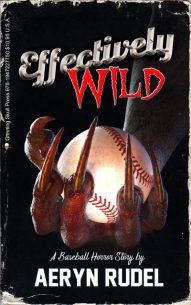
Effectively Wild – A Baseball Horror Story
Night Walk & Other Dark Paths
Acts of War: Flashpoint

Acts of War: Aftershock

Acts of War: Stormbreak

 Aeryn Rudel's Rejectomancy