
Three Things I Learned from 500 Rejections
Back in 2023, I received my 500th rejection since I started tracking submissions through Duotrope. I’m closing in on 700 now, but that first five hundred was an important milestone. Despite the mountain of no’s, it felt like a real achievement, a rite of passage almost. You see, I wholeheartedly believe that rejections are an unavoidable and even necessary part of the process that make you a better writer and, maybe just as important, toughen you up, so the slings and arrows of this brutal industry don’t slow you down (much). So, let’s take a deeper look at those 500 rejections and see what lessons I learned, or at least the ones that stand out the most. If you’ve followed my blog for any length of time, you’ll have heard some of this before, but a little rejectomancy refresher never hurts, right? 🙂
- Rejections aren’t personal. In my experience, this is true most of the time. This is not to say there aren’t terrible editors our there who send awful, insulting rejections to writers, but more often than not, though the language can sure as hell feel personal, it’s usually just boilerplate stuff. I’m not saying that reading those form rejections doesn’t hurt (it does, especially when you first start out), but it’s important to normalize rejection and get to a place where rejection maybe isn’t expected but it certainly isn’t a surprise. I tend to look at rejections like scars. Yeah, they might make you ugly, but they also make you tougher.
- Good stories get rejected. A lot. A mistake I see from a fair number of new authors is giving up on a story after a handful of rejections. Maybe there are writers out there who sell all their stories on the first couple of tries, but that isn’t me, and it probably isn’t you either. A few or, hell, a dozen, rejections doesn’t mean a story isn’t good. In fact, the vast majority of my short stories sales took me double-digit submissions to place. Why? Who knows? There are so many factors that go into a rejection. Editorial taste, bad fit for the magazine, the market recently published a similar story, and on and on and on. Of course, sometimes you do need to pull a story back a revise it if it’s getting nothing but form rejections, but if you’re getting personal rejections and close-but-no-cigar rejections, keep firing that story out there (but see my last point). I’d be willing to bet an acceptance is just around the corner.
- The awful agony of almost. This last lesson(?) is more specific to me and my personal journey as a writer, but it’ll surely resonate with some of you as well. After hundreds of rejections, I honestly don’t even notice the form letters anymore. I no longer look for deeper meaning in them or try to tell which are standard form rejections and which might be higher tier. It just doesn’t matter. What gets me, though, and what I’ve been receiving a lot of over the last few years are the final-round, close-but-no-cigar rejections. Those are tough for a couple of reasons. One, unlike a form rejection that’ll show up in under a week, when you start getting further consideration letters that turn into near-miss rejections, you’re waiting months (sometimes up to a year) for a reply. That long, long wait just ratchets up the disappointment when the no finally comes in. Two, there’s often little feedback on these rejections, other than something akin to “good story, but we’re gonna pass.” Not much you can do with that, and don’t get me wrong; I’m not angry at editors or anything silly like that. No, it’s just me wrestling with the pervasive feeling that I’m so very close to the next level of publishing, where I might start cracking some of those dream markets, but I just can’t quite get there. It’s frustrating, but, it, too, is part of the process, and when I’m feeling more charitable toward myself and not feeding the ever-hungry brain weasel of impostor syndrome, I recognize that all those close-but-no-cigar rejections from top-tier markets are exactly what they appear to be. Progress.
So, there you have it. Three important lessons I’ve learned from half-a-thousand rejections. I wonder what wisdom the next five hundred will impart. 🙂
What lessons have you learned from rejection? Tell me about it in the comments.
For more things I’ve learned in my writing career, check out these other “three things” posts.
Three Things I Learned Bout Writing Media Tie-In
Three Things I Learned as a Magazine Editor
Three Things I Learned from Writing RPG Adventures
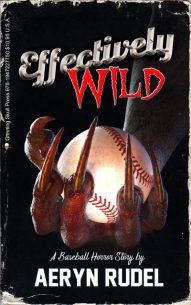
Effectively Wild – A Baseball Horror Story
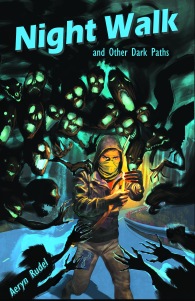
Night Walk & Other Dark Paths
Acts of War: Flashpoint

Acts of War: Aftershock

Acts of War: Stormbreak

 Aeryn Rudel's Rejectomancy